 The conflict in the temple of Navadurga in Marcaim has begun
to attract some amount of attention. A superficial understanding suggests that
the conflict revolves around the question of the future of the deity currently
worshipped in the temple. It appears that the mahajans of the temple wish to
replace the deity because it has developed cracks. They argue that this is standard
ritual practice and it is hence not an unusual decision. The villagers of
Marcaim, however, will have none of it. They argue that they are attached to
the idol, that She has been worshipped for generations in the temple, and they
do not wish to see the idol replaced.
The conflict in the temple of Navadurga in Marcaim has begun
to attract some amount of attention. A superficial understanding suggests that
the conflict revolves around the question of the future of the deity currently
worshipped in the temple. It appears that the mahajans of the temple wish to
replace the deity because it has developed cracks. They argue that this is standard
ritual practice and it is hence not an unusual decision. The villagers of
Marcaim, however, will have none of it. They argue that they are attached to
the idol, that She has been worshipped for generations in the temple, and they
do not wish to see the idol replaced.
There are a number of other issues as well, especially that
of who owns the temples, but this is not a question that I would like to go
into in this piece. Rather, I would like to reflect on the implications of the
arguments involving ritual propriety that the mahajans have put forward.

Those familiar with the ritual prescriptions in the
dharmasastras will agree that when they make their argument the mahajans of the
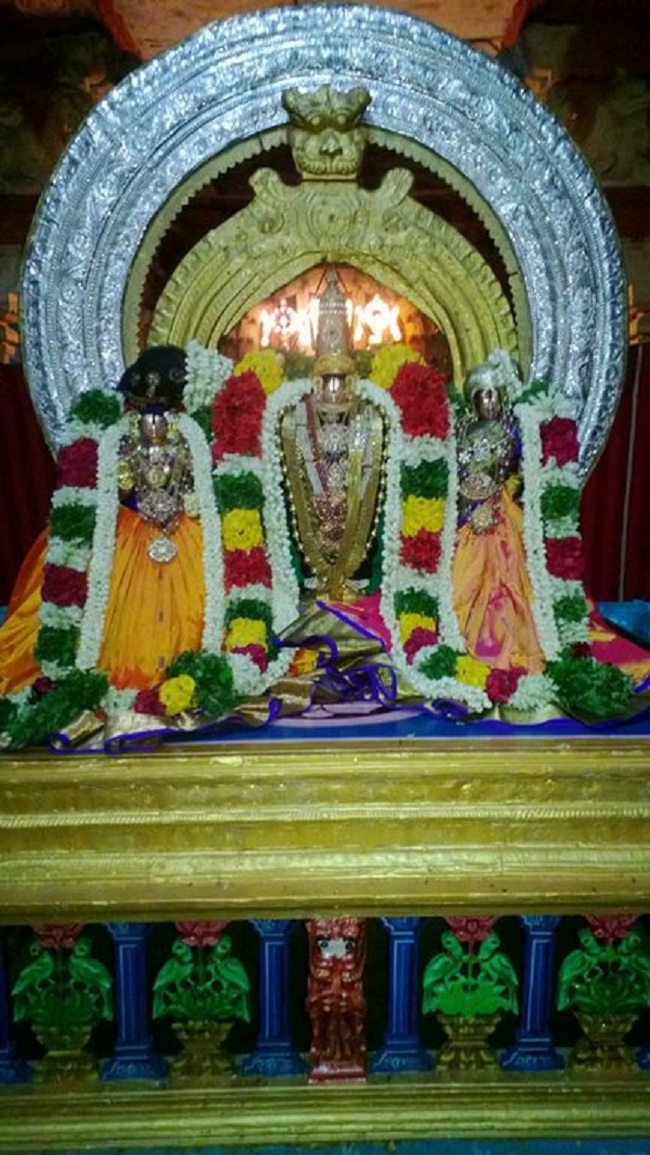
temple are on firm ground. According to brahmanical ritual, an idol is
representative of a deity only when it has the prescribed iconography, and after
the ritual ceremony of the pranaprathistha,
or life infusing. Once resident within the image, great care is normally to be
taken of the image, such that it may come to no harm. Further, this image is
not moved, for this too is believed to displace the spirit of the deity. The
moment harm comes to the idol, it is incumbent that the idol be disposed of,
normally through immersion in a body of water, a new idol prepared, and the pranaprathistha carried out once again.
This is orthodox brahmanical practice and if one follows the letter of these
laws, the demands of the villagers of Marcaim are on very unshaky ground.
 Indeed, it is this practice that has ensured that all across
the subcontinent one frequently comes across images that seem to have been
desecrated and immersed in wells, or sometimes buried. These discoveries are
often credited to the acts of violence of Indian nationalism’s standard
scapegoat, the Muslim ‘invaders’. Fearing desecration by the Muslims, the
story goes, the priests hid the idols so that they may not come to harm. Taking
the mahajan’s argument about temple ritual seriously results in a new understanding;
that these deities probably reached these resting places thanks to the dictats
of regular brahmanical ritual, not because of alleged Muslim violence. A
recognition of this practice would go to buttress the arguments made by
scholars such as Richard Eaton, that the desecration of temples and idols by
the Turko-Afghan warriors in the medieval period has been grossly over-estimated. When temples were destroyed, he argues, this was done largely
because the deity in the temple had a political significance. This is to say
that the deity represented a ruling dynasty.
Indeed, it is this practice that has ensured that all across
the subcontinent one frequently comes across images that seem to have been
desecrated and immersed in wells, or sometimes buried. These discoveries are
often credited to the acts of violence of Indian nationalism’s standard
scapegoat, the Muslim ‘invaders’. Fearing desecration by the Muslims, the
story goes, the priests hid the idols so that they may not come to harm. Taking
the mahajan’s argument about temple ritual seriously results in a new understanding;
that these deities probably reached these resting places thanks to the dictats
of regular brahmanical ritual, not because of alleged Muslim violence. A
recognition of this practice would go to buttress the arguments made by
scholars such as Richard Eaton, that the desecration of temples and idols by
the Turko-Afghan warriors in the medieval period has been grossly over-estimated. When temples were destroyed, he argues, this was done largely
because the deity in the temple had a political significance. This is to say
that the deity represented a ruling dynasty.
Taking the argument of the mahajans seriously also leads to
the undoing of a much cherished historical myth in Goa. If one cannot in fact
worship an idol that has been desecrated, or damaged, how is it that idols from
temples destroyed by the Portuguese in the 1500s were transported to their current locations in todays New Conquests? If we take this argument seriously,
then it must be that the idols from the Old Conquest villages were not in fact
rescued, nor moved to new locations. It follows that the deities currently
worshipped in the New Conquests are not in fact from the Old Conquest, but were
already present in the villages. In fact, this is what a small segment of
bahujans claim. They allege that the deities now claimed as family deities of
certain caste groups were always present in their current locales and that the
temples were actually usurped by ancestors of the current day mahajans, and
given an invented history. That histories were invented is not improbable. As I have demonstrated in the case of the temple of Damodar in Zambaulim, a rigorous examination of the origin myths of these temples reveal many inconsistencies.

There is another option, however. One can assume that the
shastric regulations were not taken
seriously in the sixteenth century, and despite being damaged, were rescued and
lovingly reinstated in new locations. Making this argument would save the
currently popular history of the migration of the deities from their homes in
the Old Conquests. However, if this hypothesis is taken as fact, then it works
to undermine the argument that the mahajans of the Navadurga temple are
forwarding today: that a damaged idol must be demolished, and that affection
for an idol is irrelevant in the matter since these rules are time-honoured
aspects of the dharmasastras. This would result in a win for the villagers of
Marcaim.
 As it turns out, therefore, upholding the shastric argument ensures
that the mahajans’ argument in the Navadurga temple case is on a much stronger
ground. But the implications of this argument is that it displaces many of the
cherished beliefs of Goan history, including the fact that the temples in the
New Conquests are family deities displaced from the Old Conquests, and
therefore the very claim of the mahajans to hold that title.
As it turns out, therefore, upholding the shastric argument ensures
that the mahajans’ argument in the Navadurga temple case is on a much stronger
ground. But the implications of this argument is that it displaces many of the
cherished beliefs of Goan history, including the fact that the temples in the
New Conquests are family deities displaced from the Old Conquests, and
therefore the very claim of the mahajans to hold that title.
To quote Alice, as she lost her way in Wonderland, it gets “Curiouser
and curiouser!”

(A version of this text was first published in the O Heraldo on 1 April 2016 )


