
Last Christmas season my family
and I fled tourist-invaded Goa for some peace and quiet. Little did we realize,
despite friendly advice, that our destination, Sri Lanka, was also one of those
holiday favourites that gets flooded at Christmas time. Along the five days
that we were on the island, in addition to experiencing the incredible beauty
of the country, we were also forced to spend much of our time in traffic jams,
whether in the capital city Colombo, in Kandy, home of the famous Temple of the
Tooth, or on the roads between these two cities.

I had been to the island-state
some years prior to this family holiday, and I am sure that the country I
witnessed was entirely different in terms of the amount of traffic that one
experienced. If anything, my journeys then were experiences of smooth flows
from one destination to another. It appears that the end of the decades-long
civil war may have released extra income into the economy creating the kind of
spurt in traffic that one witnessed on my last trip.
Yet, despite the fact that we
spent a good amount of time in traffic jams our experience of traffic in Sri
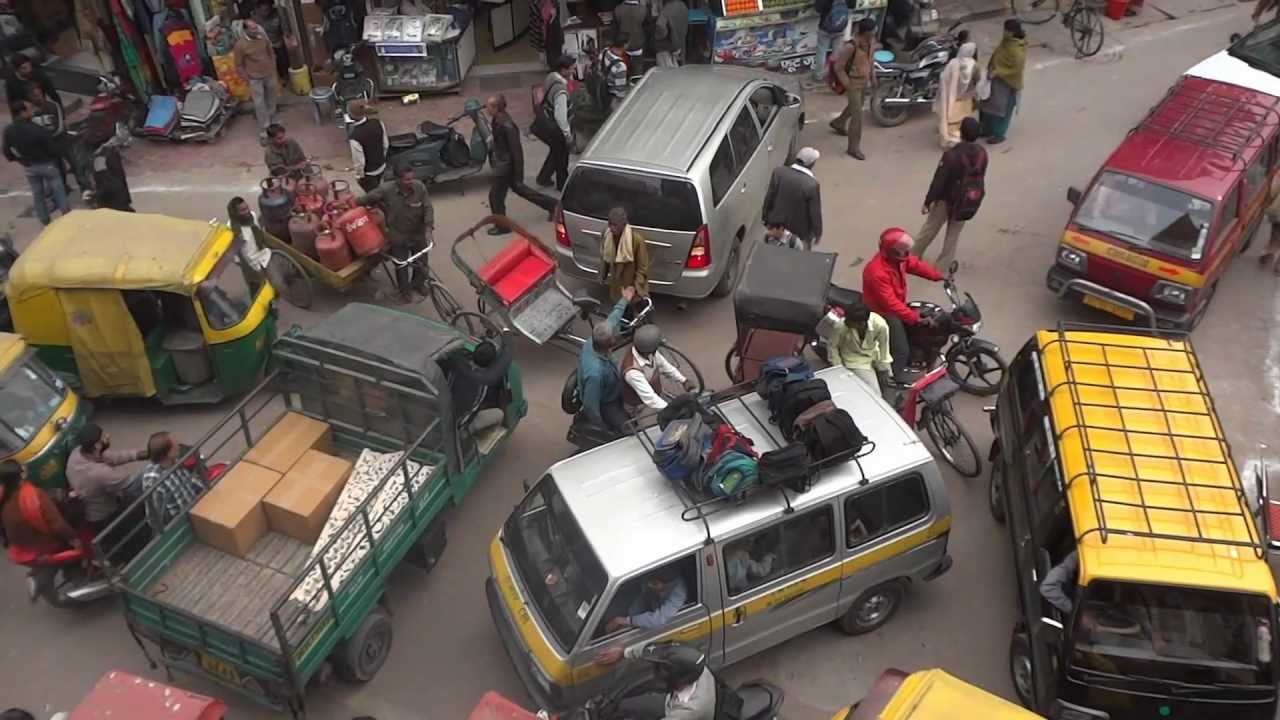
Lanka was not the same as that in India, and/or Goa. A traffic jam in India is
an occasion for tons of honking and attempts by individuals to cut through the
traffic jam by getting onto the opposite lane and charging to the head of the
line. Others follow the lead of the first offender which ensures that within a
matter of minutes the jam has been complicated beyond imagining and that
instead of two lanes, one has multiple lanes, tempers rise and what could have
been resolved within a shorter time takes forever to be repaired.
 In the course of the short stay
in Sri Lanka my experiences of traffic jams were anything but similar. To begin
with traffic jams were the result not of indiscipline, but because of the usual
reason for the phenomena, too much traffic on small lanes. Rather than cut
across lanes and try to short circuit the system people waited patiently for
the traffic to move. It took us a couple of minutes to realize that our experience
of the first jam in Sri Lanka was different from what we encountered in India.
There was no honking! So strange was the situation that we could just not
contain ourselves, and kept repeating this fact, over and over again, to
ourselves, and then when we returned home to every one we met.
In the course of the short stay
in Sri Lanka my experiences of traffic jams were anything but similar. To begin
with traffic jams were the result not of indiscipline, but because of the usual
reason for the phenomena, too much traffic on small lanes. Rather than cut
across lanes and try to short circuit the system people waited patiently for
the traffic to move. It took us a couple of minutes to realize that our experience
of the first jam in Sri Lanka was different from what we encountered in India.
There was no honking! So strange was the situation that we could just not
contain ourselves, and kept repeating this fact, over and over again, to
ourselves, and then when we returned home to every one we met. How can this difference between
the road experience in India and Sri Lanka be explained? While in Sri Lanka I
did notice that there were clear signs, at least in Colombo, indicating that
lane discipline had to be maintained at all time, and the presence of traffic
police at regular intervals. Speaking with the driver of the cab we employed we
got the sense that the police are invariably on hand to take any offender to
task. Responding to our queries he also suggested that it was unlikely that the
police would accept bribes from offenders.
How can this difference between
the road experience in India and Sri Lanka be explained? While in Sri Lanka I
did notice that there were clear signs, at least in Colombo, indicating that
lane discipline had to be maintained at all time, and the presence of traffic
police at regular intervals. Speaking with the driver of the cab we employed we
got the sense that the police are invariably on hand to take any offender to
task. Responding to our queries he also suggested that it was unlikely that the
police would accept bribes from offenders.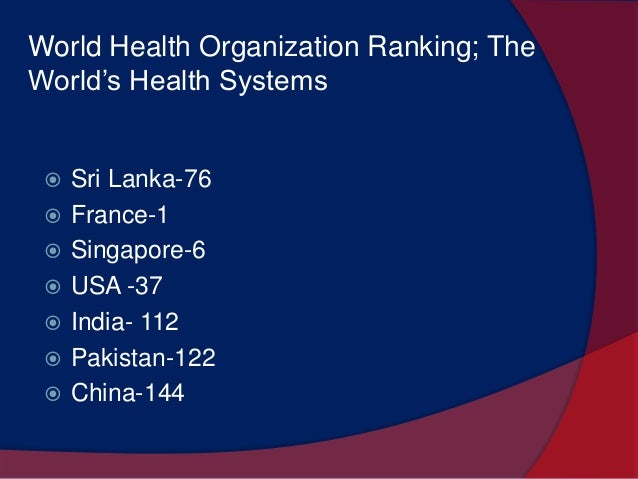 In the course of our journey, as
we grew close to our driver, he shared much with us about his country. What I
would like to focus on, as I try and resolve this question of the traffic discipline
in Sri Lanka, is his narratives about the State. He spoke about the health care
system that offered free, reliable and dependable service to all Sri Lankans.
Trying to build a pattern from all that I had heard from him, I realized that
in Sri Lanka the people were assured of an ever present state that was
reliable, and dependable. I doubt that the same could be said about India.
In the course of our journey, as
we grew close to our driver, he shared much with us about his country. What I
would like to focus on, as I try and resolve this question of the traffic discipline
in Sri Lanka, is his narratives about the State. He spoke about the health care
system that offered free, reliable and dependable service to all Sri Lankans.
Trying to build a pattern from all that I had heard from him, I realized that
in Sri Lanka the people were assured of an ever present state that was
reliable, and dependable. I doubt that the same could be said about India.  In India, one knows that one
cannot rely on the state to maintain the law. The infrastructure of the state
is invariably seen as tools to enrich those who gain access to public office.
The enforcement of the law is not uniform. Any one in Goa will acknowledge that
if one has connections to the officer’s superiors one can get away not only
without a fine, but after having insulted the traffic officer. In other words,
in India one knows that the state will not look after you, nor will it work to
create a level playing ground. You have to look out for yourself in a dog eat
dog world. In other words, it is not rules that help you get ahead in India,
but the violation of rules, and muscling in on a scene gives you more than
waiting patiently in line. The absence of a traffic etiquette in India is
therefore the result of a failed state.
In India, one knows that one
cannot rely on the state to maintain the law. The infrastructure of the state
is invariably seen as tools to enrich those who gain access to public office.
The enforcement of the law is not uniform. Any one in Goa will acknowledge that
if one has connections to the officer’s superiors one can get away not only
without a fine, but after having insulted the traffic officer. In other words,
in India one knows that the state will not look after you, nor will it work to
create a level playing ground. You have to look out for yourself in a dog eat
dog world. In other words, it is not rules that help you get ahead in India,
but the violation of rules, and muscling in on a scene gives you more than
waiting patiently in line. The absence of a traffic etiquette in India is
therefore the result of a failed state. In sum, it seems that if there is
a difference between traffic behavior in Sri Lanka and India, the reason can be
pinned down to the fact that at least at the level of the average citizen, the
Sri Lankan state is seen to be a neutral arbiter of rules that are taken
seriously, while in India, one knows that the state has abandoned its role and
made way for the so-called laws of the jungle to take root.
In sum, it seems that if there is
a difference between traffic behavior in Sri Lanka and India, the reason can be
pinned down to the fact that at least at the level of the average citizen, the
Sri Lankan state is seen to be a neutral arbiter of rules that are taken
seriously, while in India, one knows that the state has abandoned its role and
made way for the so-called laws of the jungle to take root.
(A version of this post was first published in The Goan, on 10 April 2016)


