 The lives of a
number of English, and to an extent American, nobles and gentlemen from the 18th
to the early 20th century was marked by a peculiar ritual called the
Grand Tour. As a part of their education and exposure to the wider world, these
men of wealth would leave their home shores for a tour of Europe, especially
southern Europe, and in particular Italy. There they would immerse themselves
in the artistic wealth generated by the Renaissance and after the passage of
time, sometimes years, would come back home laden not only with experience but
oftentimes books, statuary and works of art. On their return these men would go
on to embellish their homes, society and the public spheres they occupied,
converting a private learning into public wealth.
The lives of a
number of English, and to an extent American, nobles and gentlemen from the 18th
to the early 20th century was marked by a peculiar ritual called the
Grand Tour. As a part of their education and exposure to the wider world, these
men of wealth would leave their home shores for a tour of Europe, especially
southern Europe, and in particular Italy. There they would immerse themselves
in the artistic wealth generated by the Renaissance and after the passage of
time, sometimes years, would come back home laden not only with experience but
oftentimes books, statuary and works of art. On their return these men would go
on to embellish their homes, society and the public spheres they occupied,
converting a private learning into public wealth.
No Anglo-Saxon noble myself,
but definitely with aspirations of being a cultivated gentleman, I recently
ensured that I could turn the invitation to a university on the east coast of
the USA into a Grand Tour of sorts. Over the period of a month I did what the White
Anglo-Saxon Protestants of yore did, I went around main cities, accepted
invitations to dinner, went to see collections of art, and drank in as much
‘culture’ as one could.
Somewhere along
this voyage I met up with a friend from another continent, exchanging ideas,
impressions as we strolled through the streets of New York. As is common among
expats we soon got around to comparing notes about the local species. It was at
this point that this friend suggested: “Oh these Americans. They have no
culture. They are not like us with so many centuries of culture behind us.”
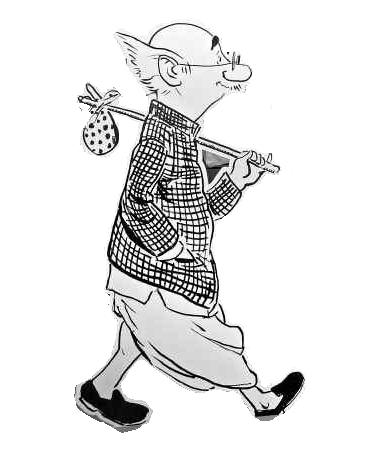 I was glad for
that comment because it articulated an idea that I had been struggling with for
the weeks while I was in the USA. Growing up Indian and fed on the cultural
superciliousness that marks Indian nationalism this was exactly the idea that
one had of Americans (from the US). They may have technological superiority and
wealth, but we had a wealth of culture. My time on the East coast was disproving
all of these early learnings and providing me a different way of viewing the
United States.
I was glad for
that comment because it articulated an idea that I had been struggling with for
the weeks while I was in the USA. Growing up Indian and fed on the cultural
superciliousness that marks Indian nationalism this was exactly the idea that
one had of Americans (from the US). They may have technological superiority and
wealth, but we had a wealth of culture. My time on the East coast was disproving
all of these early learnings and providing me a different way of viewing the
United States.
True, this
country is young, but then, so is India. Indeed, India as a state is younger
than the USA. It is in fact the drawing of these random lines across history
that obfuscates the way in which we perceive culture, history and the lack of
it.
 While the US is
built largely on the memory of the white settlers of the continent, and not of
the Native Americans, the cultural history of these white settlers includes the
histories of the communities in Europe from which these settlers emerged.
Indeed, if young American men (and some women) embarked on Grand Tours it was
because of the recognition of this link, and because they were engaged in a
cultural enterprise similar to that of their cousins across the pond in
England. On this count, then, the United States has a long cultural history,
one that gets richer and more diverse as more peoples come to its shores and
assert themselves.
While the US is
built largely on the memory of the white settlers of the continent, and not of
the Native Americans, the cultural history of these white settlers includes the
histories of the communities in Europe from which these settlers emerged.
Indeed, if young American men (and some women) embarked on Grand Tours it was
because of the recognition of this link, and because they were engaged in a
cultural enterprise similar to that of their cousins across the pond in
England. On this count, then, the United States has a long cultural history,
one that gets richer and more diverse as more peoples come to its shores and
assert themselves. While much
derisive attention is directed to the manner in which American history is
fabricated, through the careful highlighting of any object of any significance
there may be another way of looking at this cataloguing. While this emphasizing
of importance may have to do with crafting a national history, it also has to
do with building a public culture and a public sphere. There is the public
esteeming of individuals who contribute, or have contributed to society.
Museums set up by bourgeois families eventually worked to embourgeois
others and create a standard public culture through non-formal education and
committed both state and elites to a level of public engagement with culture
that can only be emulated, not dismissed.
While much
derisive attention is directed to the manner in which American history is
fabricated, through the careful highlighting of any object of any significance
there may be another way of looking at this cataloguing. While this emphasizing
of importance may have to do with crafting a national history, it also has to
do with building a public culture and a public sphere. There is the public
esteeming of individuals who contribute, or have contributed to society.
Museums set up by bourgeois families eventually worked to embourgeois
others and create a standard public culture through non-formal education and
committed both state and elites to a level of public engagement with culture
that can only be emulated, not dismissed.
(A version of this post was first published in The Goan on 12 July 2014)


